A good night's sleep shapes everything from your mood to your heart health. For people with obstructive sleep apnea, restful sleep can feel out of reach. CPAP is a widely used and effective treatment, but not everyone finds it comfortable to use every night. That is where oral appliance therapy may help. At Grandville Dental Health Center, we work with patients in Grandville and the greater Grand Rapids area who are looking for a comfortable, practical way to support better sleep.
A Quick Look at Obstructive Sleep Apnea
Obstructive sleep apnea happens when the soft tissues at the back of the throat relax during sleep and partially or fully block the airway. Breathing pauses briefly, the brain prompts you to wake just enough to breathe again, and the cycle can repeat many times each night.
Common signs include:
- Loud, frequent snoring
- Gasping or choking during sleep
- Morning headaches or a dry mouth on waking
- Daytime sleepiness, even after a full night in bed
- Trouble concentrating or irritability
- A partner noticing pauses in your breathing
Sleep apnea is diagnosed through a sleep study, typically ordered by a physician or sleep specialist. Once you have a diagnosis, your care team can discuss treatment options.
How CPAP Works
CPAP (continuous positive airway pressure) uses a bedside machine, a hose, and a mask to deliver a steady stream of air that keeps the airway open. For many people, it works very well and remains a standard treatment, especially for more severe sleep apnea.
Still, some patients struggle with:
- Mask discomfort or skin irritation
- Air leaks or a feeling of pressure
- Noise that disturbs sleep for them or a partner
- Difficulty traveling with the equipment
- Feeling claustrophobic with a mask on
When CPAP sits unused on the nightstand, it cannot help. That is why alternatives matter.
How Oral Appliance Therapy Works
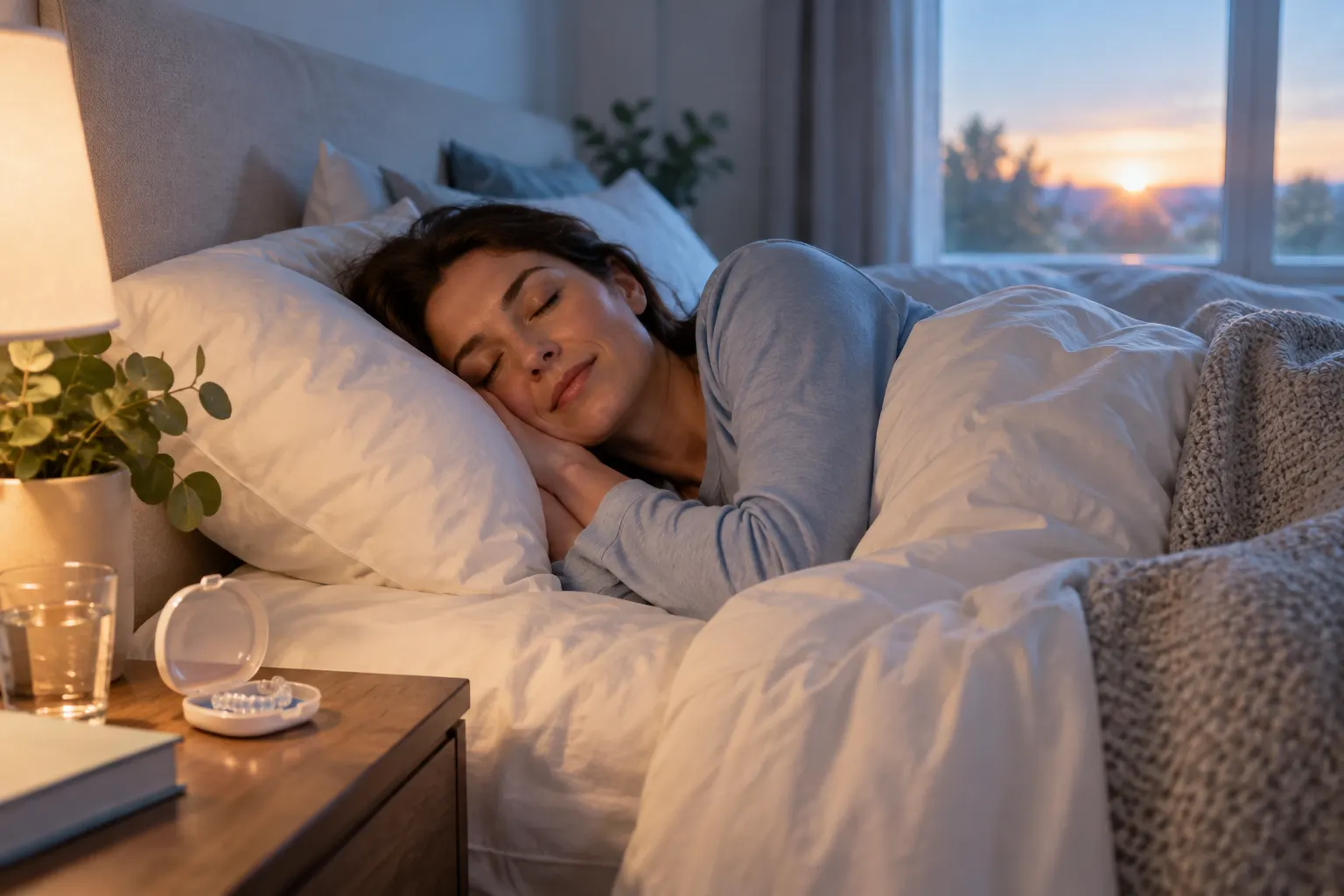
Sleep apnea appliances are custom-made devices worn in the mouth during sleep, similar in feel to a sports mouthguard or retainer. Most gently position the lower jaw slightly forward. This helps keep the tongue and soft tissues from collapsing into the airway, which can reduce snoring and breathing interruptions.
Patients often appreciate that oral appliances are:
- Quiet, with no machine or hose
- Small and easy to pack for travel
- Comfortable for many people once they adjust
- Custom fitted to your teeth and bite
Comparing the Two Options
Here is a general comparison, though your care team will help you decide what fits your needs:
- Severity: Oral appliances are often recommended for mild to moderate obstructive sleep apnea, or for patients who cannot tolerate CPAP. CPAP is commonly used across all severity levels.
- Comfort: Many people find an oral appliance easier to wear consistently.
- Portability: An appliance fits in a small case, while CPAP requires equipment and power.
- Follow-up: Both require ongoing check-ins to make sure treatment is working well.
The best treatment is the one you will actually use night after night, and that is a decision best made together with your physician and dental team.
What to Expect at the Dentist
If oral appliance therapy is a good option for you, the process typically includes:
- A review of your sleep study results and health history
- An exam of your teeth, gums, and jaw joints
- Impressions or digital scans to create a custom appliance
- A fitting visit to check comfort and positioning
- Follow-up adjustments to fine-tune results
We may also coordinate with your physician so your treatment can be evaluated over time.
Caring for Your Appliance
Keeping your appliance clean helps it last and keeps your mouth healthy:
- Rinse it each morning and brush it gently with a soft brush
- Store it in its case when not in use
- Keep it away from heat and pets
- Bring it to your dental visits so we can check its fit and condition
Signs It May Be Time to Talk With Us
Consider scheduling a visit if:
- You have a sleep apnea diagnosis but rarely use your CPAP
- A partner has mentioned loud snoring or pauses in breathing
- You wake with jaw soreness, headaches, or a dry mouth
- You feel tired during the day despite a full night of sleep
Even if you have not had a sleep study yet, we can talk with you about your symptoms and help you take the next step with your physician.
Rest Easier This Season
If CPAP has been a struggle, or you are simply curious about your options, we are here to help you explore a path toward more restful nights. Better sleep can make a meaningful difference in how you feel every day.
Schedule a visit with Grandville Dental Health Center to learn whether oral appliance therapy may be a good fit for you.